
While a generator may run smoothly during routine testing, a facility can still be left exposed during an outage. This is because the backup generator is only one part of a larger system.
Transfer switches, switchgear, breakers, panels, lugs, and connection points all help carry power through the facility. If those components are loose, degraded, or overloaded, they can create abnormal heat that increases the risk of equipment failure, fire, or injury.
The use of thermal imaging has become a key part of maintenance for backup power systems because it detects these issues before they turn into a larger problem.
This has become increasingly important with the mandate of NFPA 70B, the Standard for Electrical Equipment Maintenance.
Key takeaways:
- Thermal imaging helps identify abnormal heat at electrical connection points before those issues become backup power failures.
- Maintenance teams need safe access points, the right thermal imaging tools, and a process for documenting readings over time.
- Thermal imaging is one part of backup power readiness, along with load testing, voltage verification, transfer switch review, temporary power connection planning, and follow-up documentation.
How Does Thermal Imaging Help Prevent Backup Power Failures?
In backup power systems, heat often starts at connection points. Loose lugs, worn contacts, overloaded components, failing breakers, or connections that have been loosened and retightened during past service can all create heat.
A generator can run smoothly during a routine test, while hidden electrical issues exist elsewhere in the backup power path. Transfer switches, switchgear, breakers, panels, utility mains, transformer mains, and generator output connections are all critical components of the backup power system.
What Thermal Imaging Should Detect

NFPA 70B changed significantly in recent years. What was once a recommended practice became a formal standard for electrical equipment maintenance, using mandatory language for inspection, testing, documentation, and maintenance planning. The 2026 updated edition of NFPA 70B supports that direction, encouraging facilities to review how they inspect and document the equipment that supports backup power.
Thermal imaging is not required for every backup generator or facility. It becomes required when the facility’s electrical maintenance program calls for thermal inspection, whether through NFPA 70B, an authority having jurisdiction, an insurer, an owner specification, or another adopted maintenance standard.
Backup power system maintenance requires more than confirming that the generator starts during routine testing. Teams also need to regularly inspect electrical connections that support the system under real operating conditions, and thermal imaging makes issues easier to find and document.
What Do Maintenance Teams Need for Thermal Imaging Inspections?
The existing relationship with Power Temp Systems provided awareness to a trusted solution partner, and they felt confident in Power Temp Systems’ ability to get them into compliance quickly. A major priority for our client was adopting a docking solution that was easy to install and operate, without needing specialized installer and operator training or expertise.
Inspections need three things to be useful in backup power maintenance:
Safe access to equipment
The right thermal imaging tools
A clear process for documenting and reviewing readings
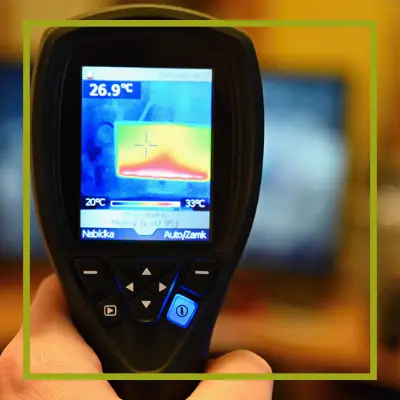
Thermal imaging uses an infrared camera to detect heat patterns on equipment. In backup power maintenance, heat patterns help technicians identify abnormalities at breakers, lugs, transfer switches, switchgear, generator output connections, and other electrical connection points.
Inspections should happen when equipment is operating under the appropriate load conditions. A generator start-up may confirm that the unit runs, but does not show how the system performs under load. This is why thermal imaging is often tied to load testing, transfer switch testing, and other electrical maintenance work.
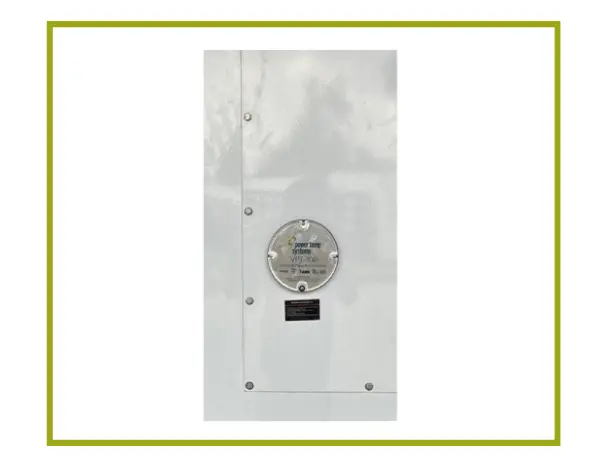
Maintenance teams also need a safe way to collect readings. An infrared (IR) window is a fixed inspection point that allows technicians to use an infrared camera or thermal imaging tool to inspect energized electrical equipment without opening the enclosure.
IR windows make inspections safer and more repeatable. They give technicians a consistent access point for checking the same components over time, which also makes documentation easier.
A thermal imaging camera and a thermal gun are not the same tool:
- A thermal imaging camera shows heat patterns across equipment
- A thermal gun or infrared thermometer provides a point temperature reading.
Thermal Camera vs. Thermal Gun
Both tools detect heat, but they do not show the same level of information. The difference comes down to whether the tool shows a full heat pattern or a single temperature reading.
| Tool | What It Shows | Best Use |
|---|---|---|
| Thermal imaging camera | Heat patterns across equipment | Documented inspections and comparison over time |
| Thermal gun / infrared thermometer | A point temperature reading | Quick checks and spot readings |
A thermal gun can be useful for quick checks, but it should not replace documented thermal imaging when the maintenance program requires image-based inspection and reporting.
Thermal Imaging Is One Part of Backup Power Readiness
Thermal imaging helps maintenance teams identify heat-related warning signs, but it is only one part of backup power readiness.
A stronger maintenance plan should also review safe access, voltage verification, load testing, transfer switch operation, temporary power connection points, and documentation. The goal is to understand whether the full backup power path can perform when necessary.
Backup Power Readiness Review
A complete maintenance review should include:
- Thermal Imaging Access
- Voltage Verification
- Load Testing
- Transfer Switch Operation
- Temporary Power Connection Points
- Maintenance Documentation
- Corrective Action Follow-up
For generator service companies and electricians, this is also an accountability issue. If maintenance requires opening gear, loosening lugs, or altering permanent connections, the safer approach is to flag the issue and recommend a better long-term solution.
Power Temp Systems provides electrical access and connection solutions that support safer maintenance, inspection, and backup power readiness.
Depending on the facility’s setup, that review may include:
Review Thermal Imaging Access Before the Next Outage
Thermal imaging is an integral part of backup power maintenance because facilities need a clear way to find electrical issues before they lead to failure.
Maintenance teams, generator service companies, and electricians should review whether backup power equipment can be inspected safely, under load, and with clear documentation.
That review should include the generator, transfer switch, switchgear, generator main breaker, panels, lugs, connection points, and other equipment that helps carry backup power through the facility.
Power Temp Systems provides IR Windows and other electrical access solutions that support safer inspections, better maintenance documentation, and stronger backup power readiness.