
A critical facility can have a permanent generator and still be left without backup power at the wrong time. This is the emergency power gap NEC 700.4(F) is designed to address. If the permanent generator is unavailable due to maintenance, repair, or testing, the facility still needs backup power available through a portable or temporary generator connection.
Key takeaways:
- Facilities that support public safety, water, fuel, shelter, communications, emergency response, or other community needs could be impacted.
- NEC 700.4(F) requires a permanently installed connection point for a portable or temporary generator when the permanent emergency power source is unavailable.
- Critical facilities should review generator testing, temporary power connection points, safe maintenance access, and ownership of emergency power readiness.
What Facilities Are Considered Critical Under NEC 700.4(F)?
Critical facilities under NEC 700.4(F) rely on emergency power and cannot afford to be left without backup power when the permanent generator is unavailable due to maintenance, repair, or testing.

NEC 700.4(F) was introduced in the NFPA’s National Electrical Code to address the backup power gap. An important precursor to broader conversations around emergency power compliance, maintenance, and electrical safety, NEC 700.4(F) pushed critical facility teams to look beyond having a single backup power source.
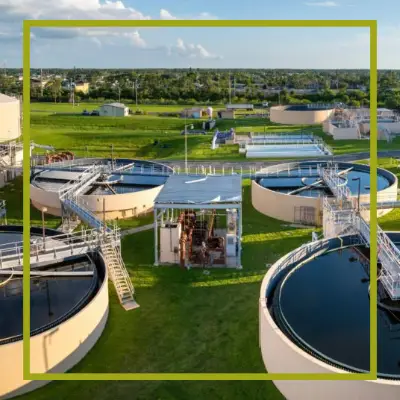
Many facilities may play a critical communal role during an outage or disaster. For municipalities, that can include water plants, wastewater facilities, public works buildings, emergency operations centers, shelters, fueling locations, courthouses, city halls, and other sites that support community operations. If losing power at a critical facility would affect public safety, emergency response, water, fuel, shelter, communications, or other community needs, that facility requires a closer review.
Is Your Facility Critical?
If the answer to any of these questions raises concern, the facility requires a closer review.
What Does NEC 700.4(F) Require Critical Facilities To Do?
NEC 700.4(F) addresses a gap in emergency power planning. If a critical facility’s permanent generator is disconnected for maintenance, repair, or testing and utility power fails, the facility may be left without backup power. Facilities need a permanently installed connection point that allows a portable or temporary generator to be connected without modifying the electrical system.
A portable or temporary generator connection should not require crews to open gear, remove dead fronts, loosen lugs, disconnect permanent wiring, or rely on field workarounds. Those practices can create safety issues, slow response time, and degrade equipment that was not designed for repeated disconnection and reconnection.
Connection Practices to Avoid When Using Temporary Power
- Opening gear
- Removing dead fronts
- Loosening lugs
- Disconnecting permanent wiring
- Using temporary workarounds
Recommended Approach: Use a permanently installed connection point for a portable or temporary generator.
For many facilities, this is where products such as quick-connect docking stations, generator docking stations, and quick-connect tap boxes come into the conversation. These solutions give crews a dedicated connection point for temporary power so they do not have to alter the existing system when the permanent generator is being tested or serviced.
The goal is to keep backup power available so a critical facility is not left unprotected when its permanent generator is being tested, maintained, or repaired.
What Should Critical Facilities Review Now?
Critical facilities should review whether their emergency power system can be tested, maintained, repaired, and supported by temporary power without unsafe workarounds.
Confirm Whether Your Facility Is Critical
Confirm how your facility supports public safety, emergency response, water, wastewater, fuel, shelter, communications, or other community needs. Consider whether a loss of power would disrupt essential operations during a storm, freeze, outage, evacuation, or other emergency.
Review How Each Generator is Tested
A weekly generator test can confirm that the unit starts and is operational, but it cannot confirm that the generator can support the facility under load.
Facility teams should confirm:
- Can the generator be load bank tested?
- Can testing happen without disconnecting permanent wiring?
- Does the facility still have backup power available while testing is underway?
- Is the testing process documented?
This step helps identify whether the facility is truly ready for an outage.
Confirm Whether Temporary Power Can Be Connected
Critical facilities should have a permanent connection point for a portable or temporary backup power source. The connection should be safe, accessible, and designed for repeat use.
Facility teams should look for red flags such as the need to:
- Open gear to connect temporary power
- Remove dead fronts
- Loosen lugs
- Disconnect permanent wiring
- Run temporary cables through unsafe paths
- Rely on field workarounds during an outage
Products such as Quick Connect Docking Panels and Generator Quick Connect Tap Boxes can provide a dedicated connection point for temporary power when the permanent generator is offline or unavailable.
Review Safe Access for Testing and Maintenance
Facilities should also look at how technicians verify conditions and inspect equipment during maintenance.
Two useful questions to ask are:
- Can technicians verify absence of voltage without opening the electrical cabinet?
- Can technicians collect thermal readings without exposing equipment?
Voltage Test Ports can support absence-of-voltage testing from outside the electrical cabinet. IR Windows can support infrared inspections without opening equipment. Both can help make testing and maintenance safer, more repeatable, and easier to document.
Assign Ownership for Emergency Power Readiness
Finally, ownership of the process must be clearly defined. For municipalities, that may involve facility managers, emergency operations teams, public works, engineers, and leadership.
The owner should be responsible for:
- Reviewing the facility list
- Coordinating evaluations
- Maintaining documentation
- Planning needed upgrades
- Revisiting emergency power readiness before storm season or other high-risk periods
The goal is to know where the gaps are before an outage, inspection, or emergency exposes them.
Review Your Emergency Power Setup Before It Is Needed
Critical facilities need to know whether backup power will be available when the permanent generator is being tested, maintained, or repaired. Reviewing connection points, testing procedures, and maintenance access can help identify gaps before an outage or emergency exposes them.
Power Temp Systems provides solutions that support safer load testing, portable generator connection, and emergency power readiness for critical facilities.